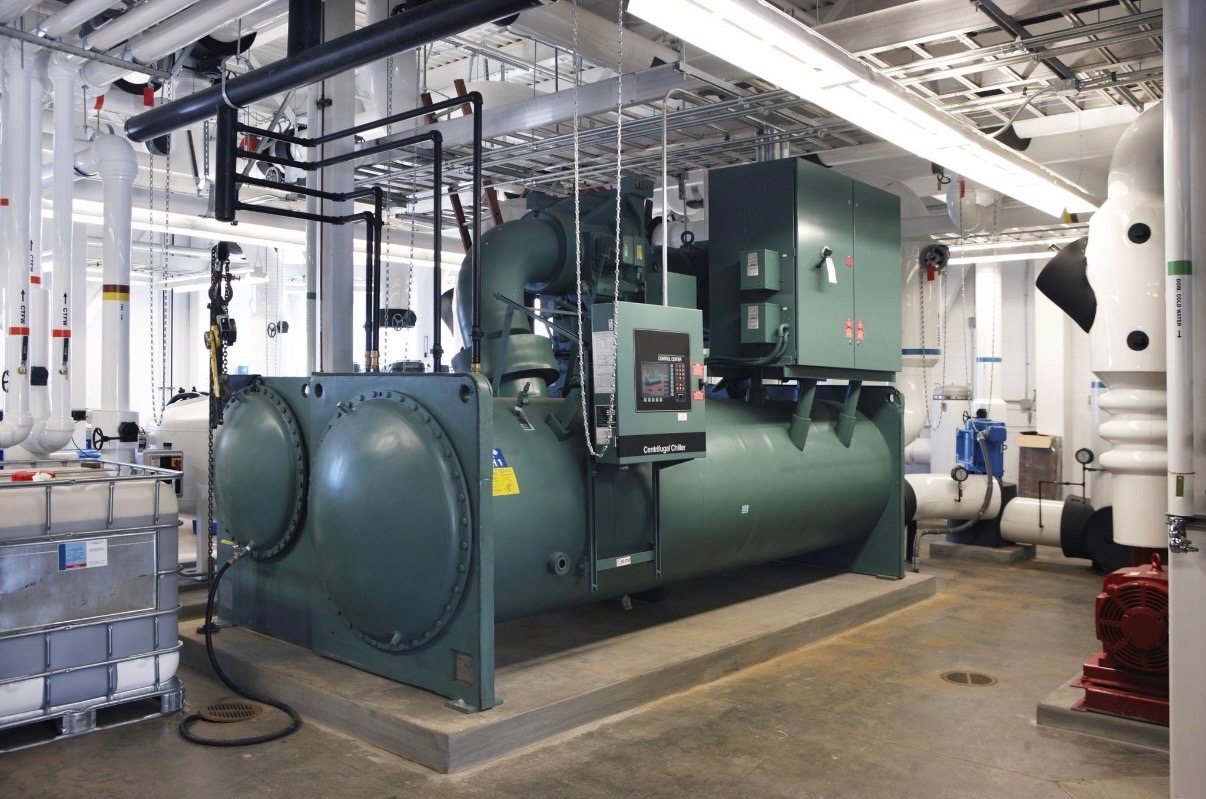
Industrial Chiller Buyers in Lafayette, Louisiana
Offer and removal scope
If you have a surplus industrial chiller in Lafayette, Louisiana, we buy chillers rather than sell them. Share what you know for an upfront cash offer; no equipment testing is required. The buyer handles crane service, rigging, disconnects, refrigerant recovery, loading, hauling and freight, coordinating qualified personnel with the site. A precise inventory and an honest account of access restrictions help shape the removal plan.
Access starts at the unit
A facility address can contain more than one gate, building and equipment room. Specify the right entrance and unit location, along with any escort or vehicle restrictions known to the site. If a roof or indoor route is involved, provide opening dimensions and photographs from safe locations. The removal team will assess turns, floor transitions and overhead clearance as well as the doorway.
Capacity is not shipping weight
Cooling tons describe capacity; they do not tell the freight team how much the machine weighs. Share the rated tons from the plate and the documented operating or shipping weight separately, if available. Give overall length, width and height, including projections, and say whether a separate cabinet has its own dimensions. Mark an estimate clearly instead of presenting it as a measured or documented figure.
Local context, actual site
The regional context for Lafayette includes the Acadiana region and the meeting of I-10 and I-49. It is in Lafayette Parish. A chiller could serve a building, a process, or both; explain its actual role and any services that must remain active. Give the street address and the unit's position on the property; a regional highway does not establish which gate, route or loading area can be used at that site.
Information for the rigger
The seller can help the lift team by providing existing drawings, documented component weights and a safe view of the equipment's surroundings. Mention known overhead lines, roof edges, floor limits or restricted staging areas. The buyer handles crane service and rigging, with professionals determining the lift method and acceptable setup for the actual unit rather than relying on an estimated load.
From staging to hauling
After the machine leaves its installed position, it still needs a safe staging place and a truck-accessible loading area. Share the location of gates, internal roads and any known overhead or vehicle restrictions. The buyer coordinates loading, hauling and freight. The freight team will evaluate the actual load dimensions and route rather than assuming that a nearby highway solves access inside the property.
Match the plate to the unit
Start with the main nameplate: a legible model, serial number, manufacturer and rated capacity can anchor the review. A wide photo showing the plate's location is useful if several machines are close together. Include a separate control or starter plate only if visible safely, and say when a number cannot be read. Do not open a cabinet or remove a guard to obtain information.
What is actually included?
A nameplate tells only part of the story if controls, a starter or modules sit elsewhere. Identify the chiller in a wide photograph and indicate the components that belong to the proposed transaction. Note shared equipment or uncertainties. If the heat-rejection method or compressor type is unclear, available drawings and exterior photos are more useful than a confident guess.
Define the purchase scope
For a multi-unit property, separate the inventory by building, room and machine. Include the plate details and any separate components that are safely identifiable, and distinguish what is being offered from equipment still needed on site. The buyer can then discuss the actual scope and handling requirements without treating a building-wide cooling figure as a single unit's capacity.
Power and separate controls
An electrical schedule may identify voltage, phase, frequency and a remote starter even when the main machine is disconnected. Share the documents and safe exterior photos, noting whether controls are included or serve other units. The buyer coordinates qualified electrical disconnect personnel with the site. Do not open energized or closed cabinets, test circuits or disturb wiring to prepare a description.
What remains connected?
Retiring one machine does not necessarily retire the entire loop. Ask the facility's authorized representative to identify shared piping and any systems that must continue operating, using existing drawings where possible. Describe known water or process-fluid interfaces to the buyer. Qualified personnel coordinate isolation and disconnects; the seller should not cut, drain or open connections to obtain an offer.
Labels, history and safe recovery
Share the refrigerant designation and charge quantity from the plate or records if available, along with any retrofit label. The original plate does not necessarily describe a later conversion, and an unknown charge should stay unknown until qualified personnel assess it. The buyer handles refrigerant recovery with appropriately qualified personnel. Keep the circuit closed: do not attach gauges, transfer or vent refrigerant.
Coordinate with the facility
An owner, facilities manager and building occupant may have different responsibilities. Identify who can approve access and isolation, and tell the buyer about any remaining cooling load or shared controls. The buyer coordinates qualified work and transport with the site. If an outage window has not been approved, describe it as undecided instead of committing another party to a date.