Used Chiller Buyers in Jefferson Davis Parish, Louisiana
Offer and removal scope
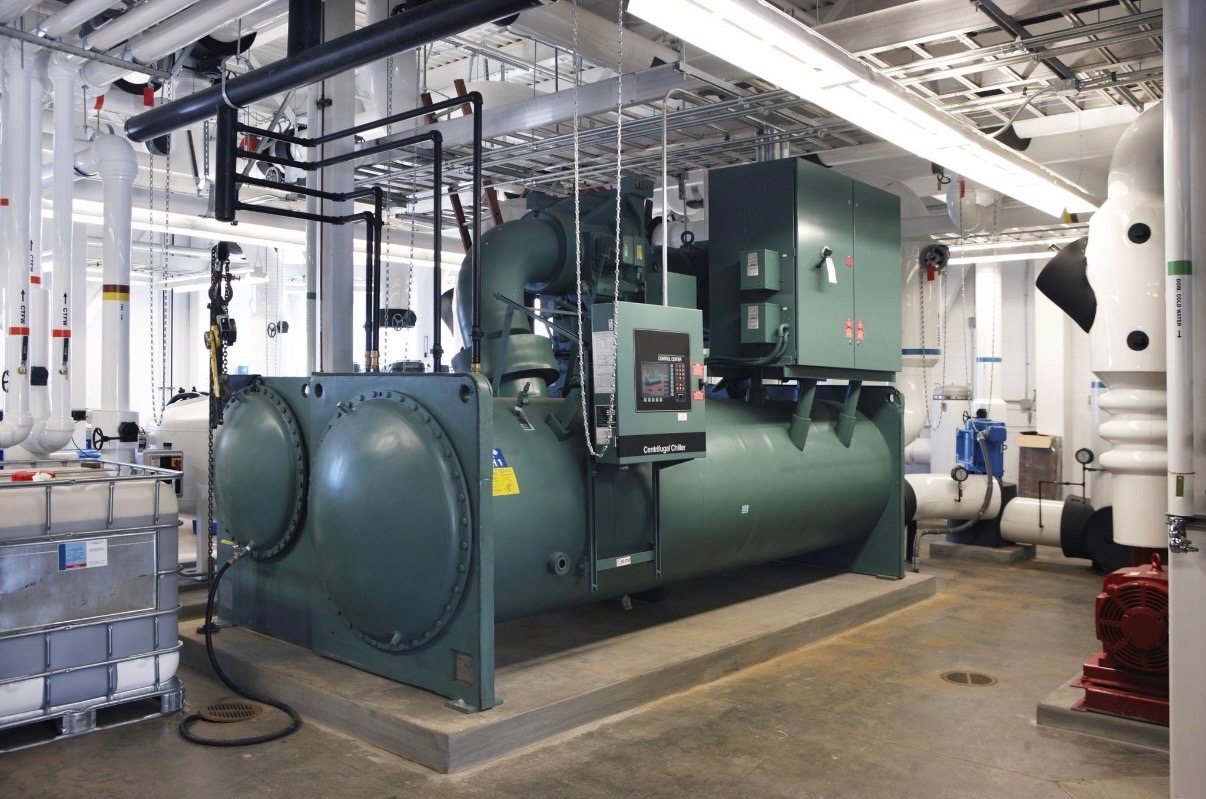
Have a surplus industrial chiller in Jefferson Davis Parish, Louisiana to remove? We are chiller buyers, and a test run is not required to request an upfront cash offer. The buyer handles crane service, rigging, disconnects, refrigerant recovery, loading, hauling and freight. Share the machine's visible details and the site's known restrictions so the work can be coordinated with authorized personnel.
Report condition without a test
Idle equipment does not need to be restarted to demonstrate it. Share a dated service record if available, note missing parts and describe only damage visible from a safe position. If the unit was removed from service for a known reason, explain that without claiming an internal diagnosis. The buyer can assess the submission without a test run.
Start with the nameplate
Start with the main nameplate: a legible model, serial number, manufacturer and rated capacity can anchor the review. A wide photo showing the plate's location is useful if several machines are close together. Include a separate control or starter plate only if visible safely, and say when a number cannot be read. Do not open a cabinet or remove a guard to obtain information.
Two very different measurements
When a record says tons, ask whether that figure describes cooling output for one unit or for a group. It is not the load weight for rigging. Supply physical dimensions and a documented shipping or operating weight if known, and specify whether protrusions and separate cabinets are included. If the document does not say, let the buyer know rather than filling the gap with an estimate.
Describe the configuration
Clarify what is included: the main chiller, any separate drive or starter, control cabinet and modules, as applicable. Some components may be shared with a machine that stays. A simple annotated photo or asset list is useful, even when you cannot identify every connection. The buyer can review the actual arrangement with the site rather than assuming every nearby cabinet belongs to the chiller.
One machine or several?
The scope of a purchase should be clear before removal is planned. Name the machine or machines being offered and identify included modules, controls and separate cabinets if known. Note any equipment that is shared or will stay at the property. Photographs labeled by building or unit help avoid mixing records from two similar chillers, especially when a plant schedule contains combined capacities.
Regional setting, site-specific plan
Jefferson Davis Parish is in southwest Louisiana prairie along I-10 between Lafayette and Lake Charles. If the site's route has a highway, border-area or access restriction, identify the actual entrance; regional location alone does not describe the loading area. Provide the street address, the unit's position on the property, and known gate, loading or security limits. These details help the buyer's freight and rigging teams assess the real path to the machine rather than plan from a parish name alone.
When the charge is uncertain
Tell the buyer whether a refrigerant designation comes from a nameplate, a later conversion label or a service record. If the source is missing or the charge is unknown, say that plainly. The buyer handles recovery with qualified personnel. There is no reason for the seller to fit gauges, open a valve, mix refrigerants or release any contents.
Identify shared power equipment
Existing drawings and exterior photos can help identify electrical interfaces, including a remote starter or shared controls. Record plate voltage and phase only if safely visible; an unreadable value can remain unknown. The buyer arranges qualified electrical disconnects in coordination with the site, so there is no reason for the owner to expose conductors or test the system.
Coordinate with the facility
Site conditions should be discussed before crews and equipment are assigned. Note any security, escort, loading-hour or shutdown requirements and identify the person authorized to coordinate them. The buyer handles the removal services, while site personnel define their operating and access constraints. Unknown dates or incomplete drawings can be flagged for follow-up rather than filled in with assumptions.
The actual lifting constraints
A lift plan depends on more than the cooling rating. Provide the known equipment dimensions, documented weights, roof or room access and any instructions that came with the unit. Tell the buyer about known overhead or ground restrictions and whether staging space is limited. The buyer arranges crane service and professional rigging; qualified personnel determine the lifting and separation method.
Access starts at the unit
A facility address can contain more than one gate, building and equipment room. Specify the right entrance and unit location, along with any escort or vehicle restrictions known to the site. If a roof or indoor route is involved, provide opening dimensions and photographs from safe locations. The removal team will assess turns, floor transitions and overhead clearance as well as the doorway.
Freight begins at the gate
After the machine leaves its installed position, it still needs a safe staging place and a truck-accessible loading area. Share the location of gates, internal roads and any known overhead or vehicle restrictions. The buyer coordinates loading, hauling and freight. The freight team will evaluate the actual load dimensions and route rather than assuming that a nearby highway solves access inside the property.
Request an offer
To request an upfront cash offer, send the buyer the equipment details and photographs you already have, together with the location and site contact. A missing serial number, incomplete service history or unknown refrigerant can be noted rather than guessed. No equipment testing is required. The buyer reviews the information and coordinates the removal scope and site requirements with the authorized representative.